1. A design language isn't a style guide, it's a set of decisions
We're not talking about a PDF with hex codes and approved fonts. A physical product design language is more like a set of rules about how things look and feel: proportions, the way surfaces meet, how edges are treated, where controls live, what materials are used and where. When these decisions are made intentionally and applied consistently, products look related. When they're not, they don't.
The goal is family resemblance — not clones. Nobody wants a product line where everything looks identical. The idea is that someone can pick up a new product and immediately know who made it.
2. It's much easier to do this at the start
The ideal time to define a design language is before you have more than one product. We always try to push clients toward thinking about this early, because retrofitting a design language onto an existing line is genuinely difficult. You end up choosing between redesigning older products (expensive) or letting the new ones drift toward the old ones (limiting). Neither is ideal.
That said, we've done it both ways, and it's definitely possible to bring coherence to an existing family. It just takes more work and more conversations about what you're willing to compromise on.
3. What we actually did for Circadian Optics
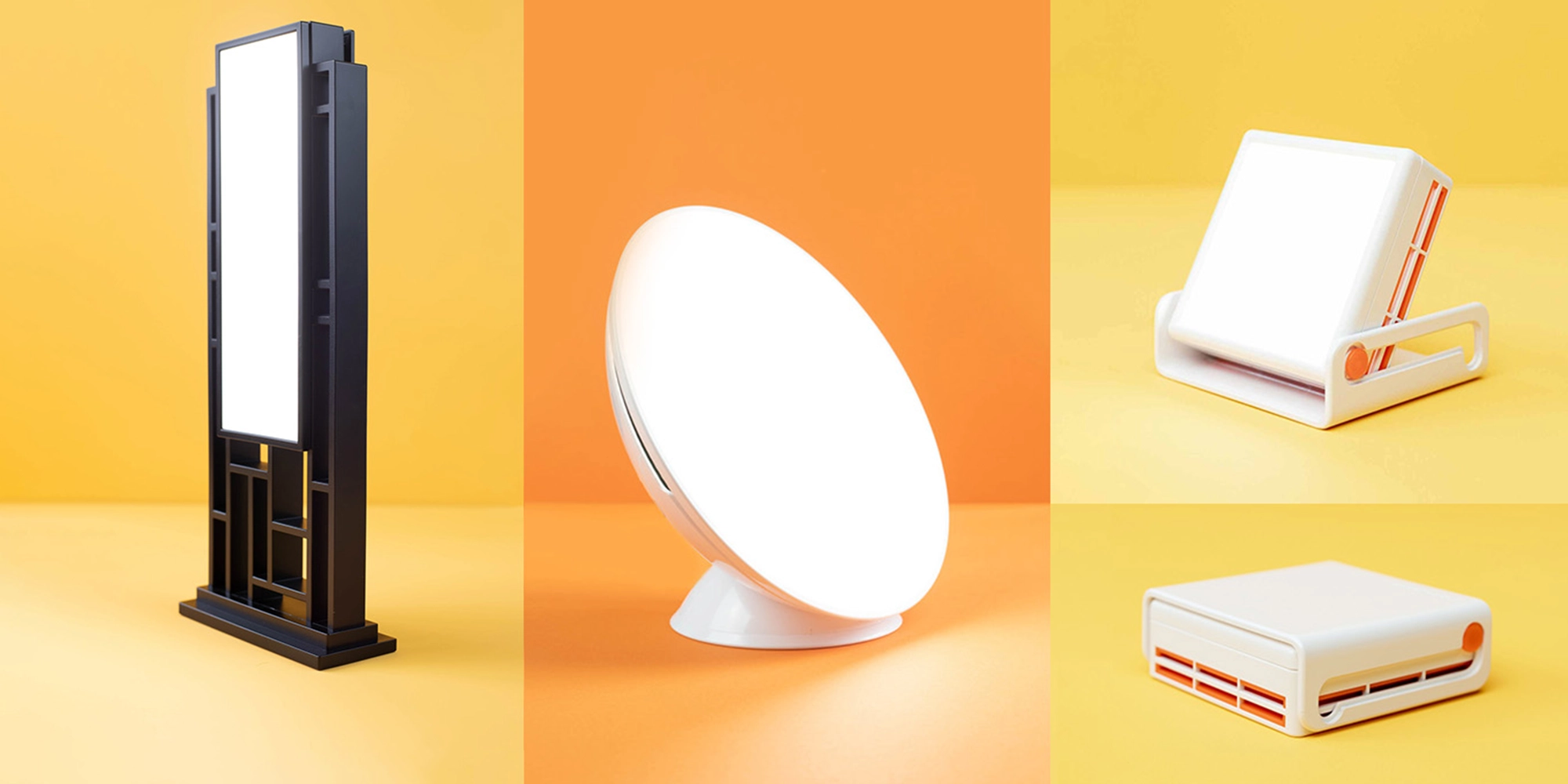
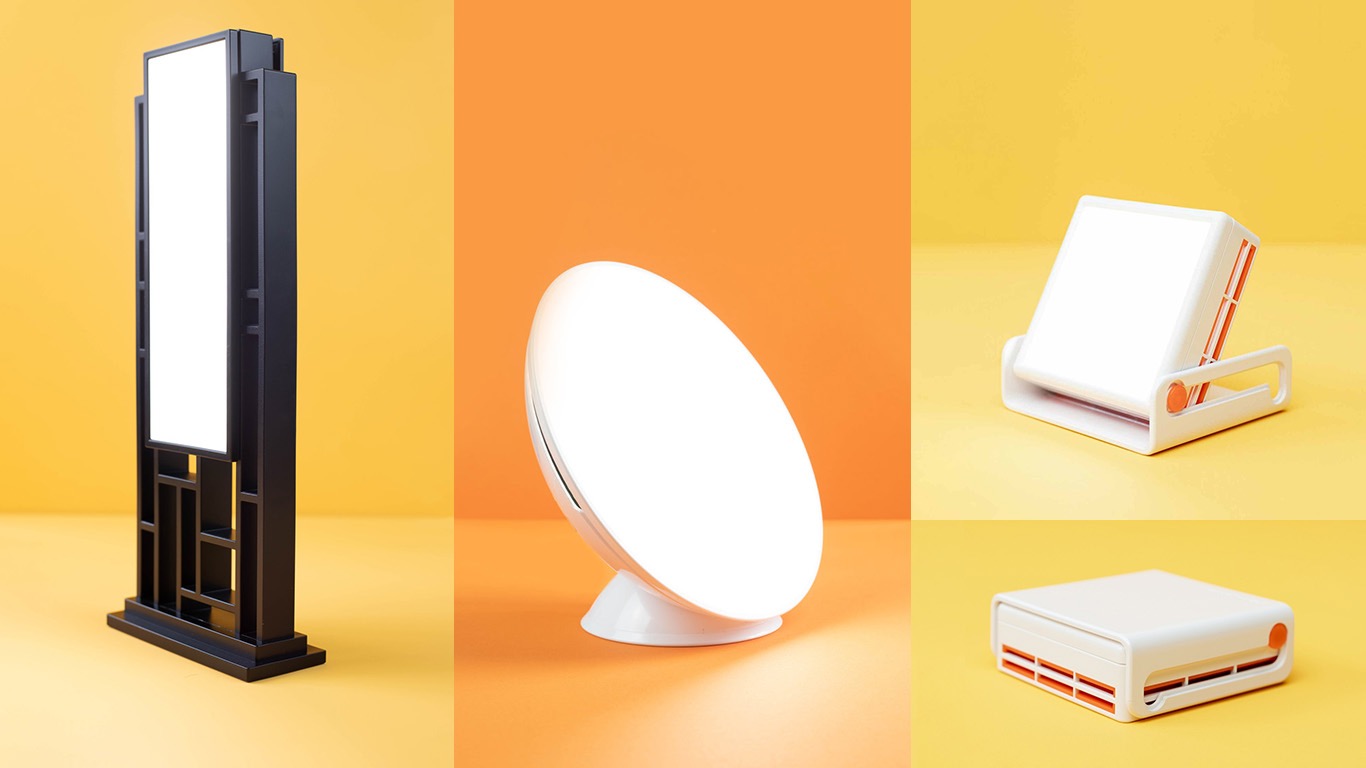
Circadian Optics makes light therapy lamps in a range of sizes and price points — we've worked with them for years and have designed several products in their lineup. The challenge with a line that spans different form factors is that you can't just make everything look the same. A small desk lamp and a large floor lamp have completely different engineering constraints and use cases.
What we focused on instead were the repeatable elements: the way the profile reads from the side, where the controls sit, how materials transition. These things don't depend on scale. A customer who has the Lampu on their desk should be able to look at the Lattis and immediately recognize it as the same family — even though the two products look quite different at first glance.
4. What we did for Nordic Wave
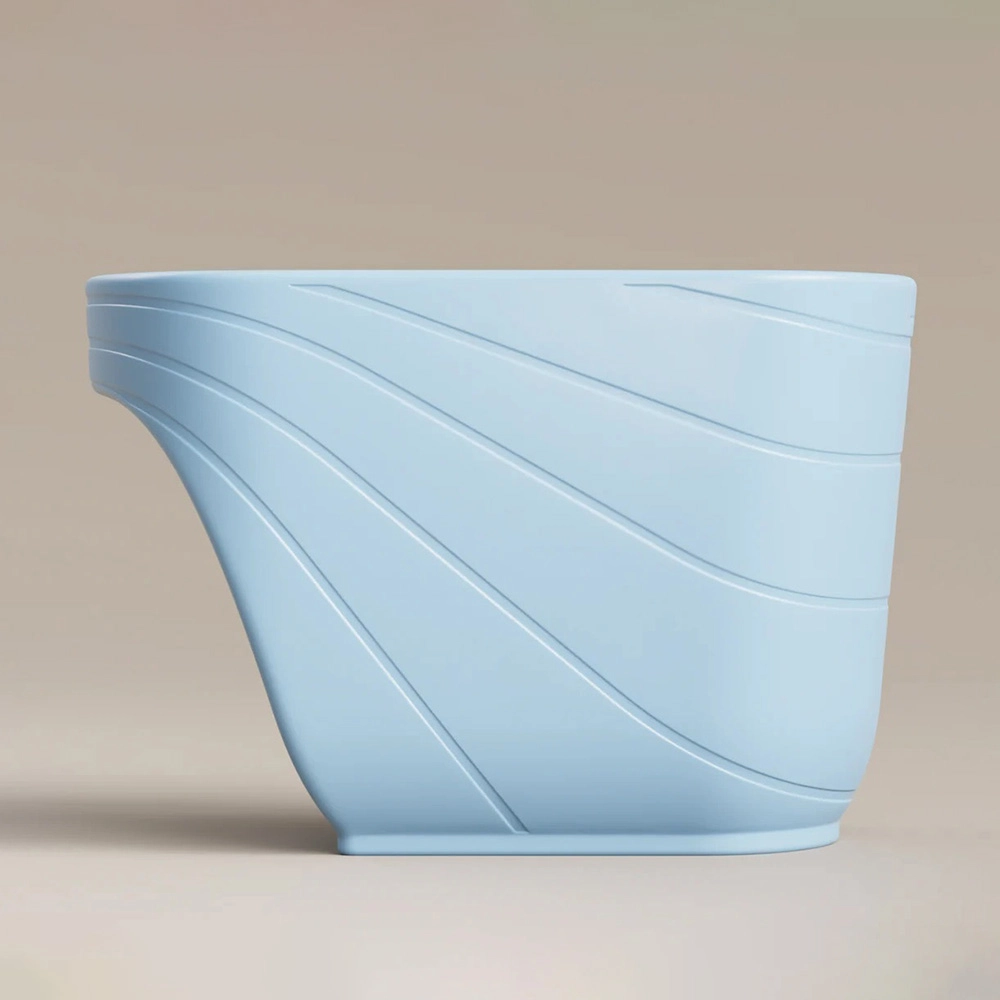
Nordic Wave's cold plunge products are big, functional objects that needed to communicate durability and a certain Nordic toughness without feeling industrial or intimidating.
The design language we developed emphasized honest materials, confident proportions, and surface breaks that suggest robustness without being aggressive. The goal was that regardless of which product in the line someone is looking at, it reads as premium, purposeful, and from the same family.


5. What we did for Blinkjoy
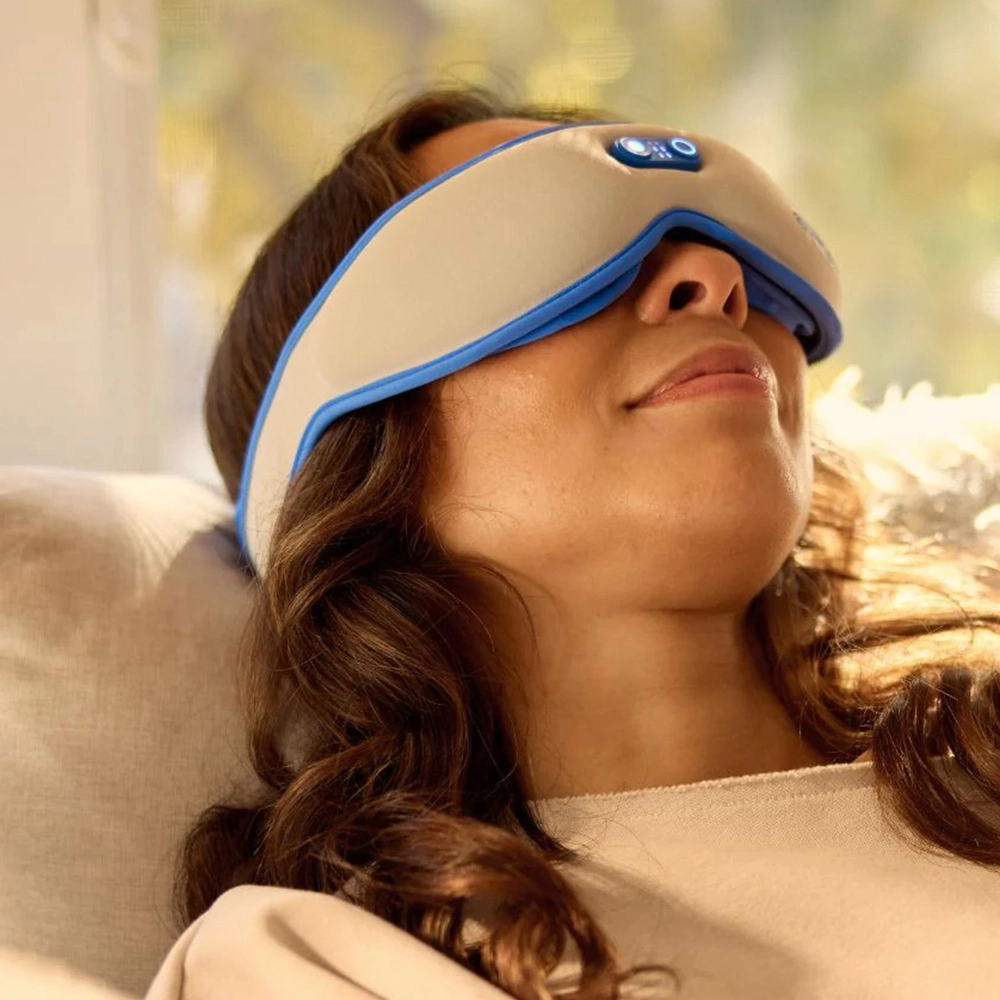
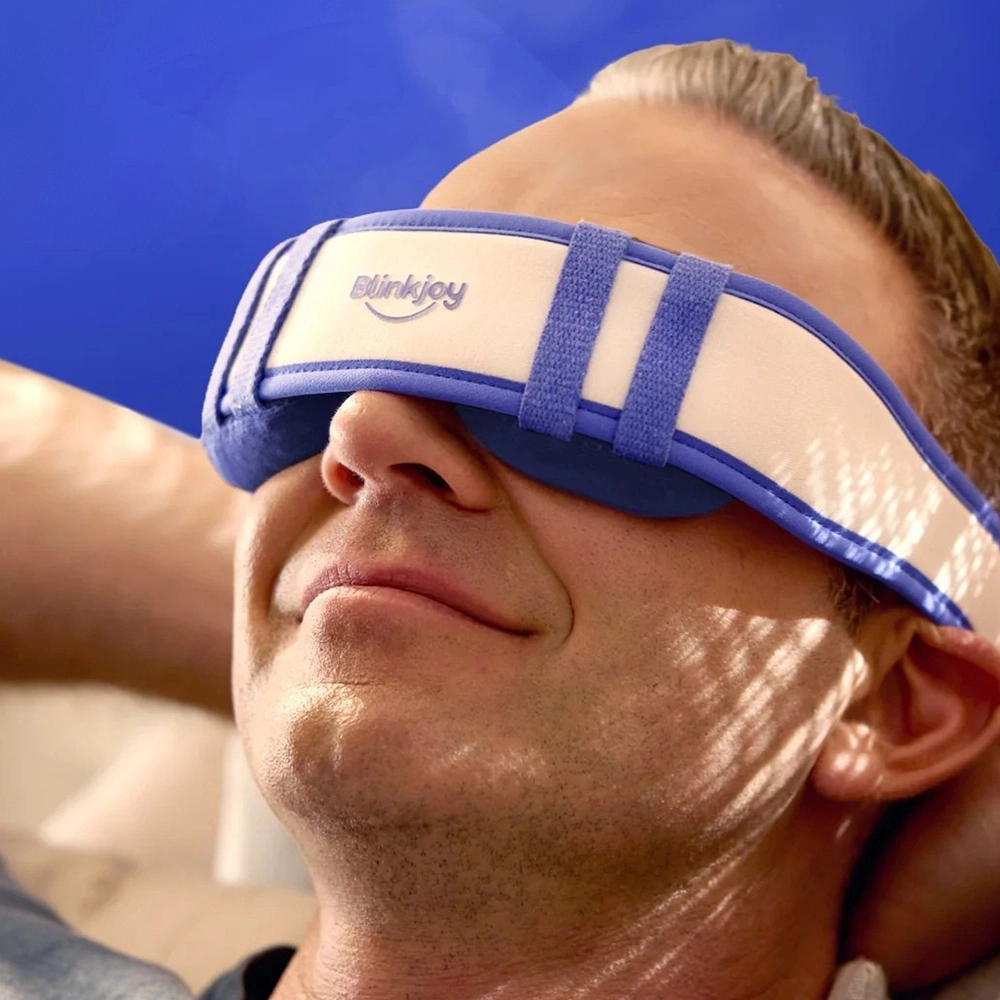
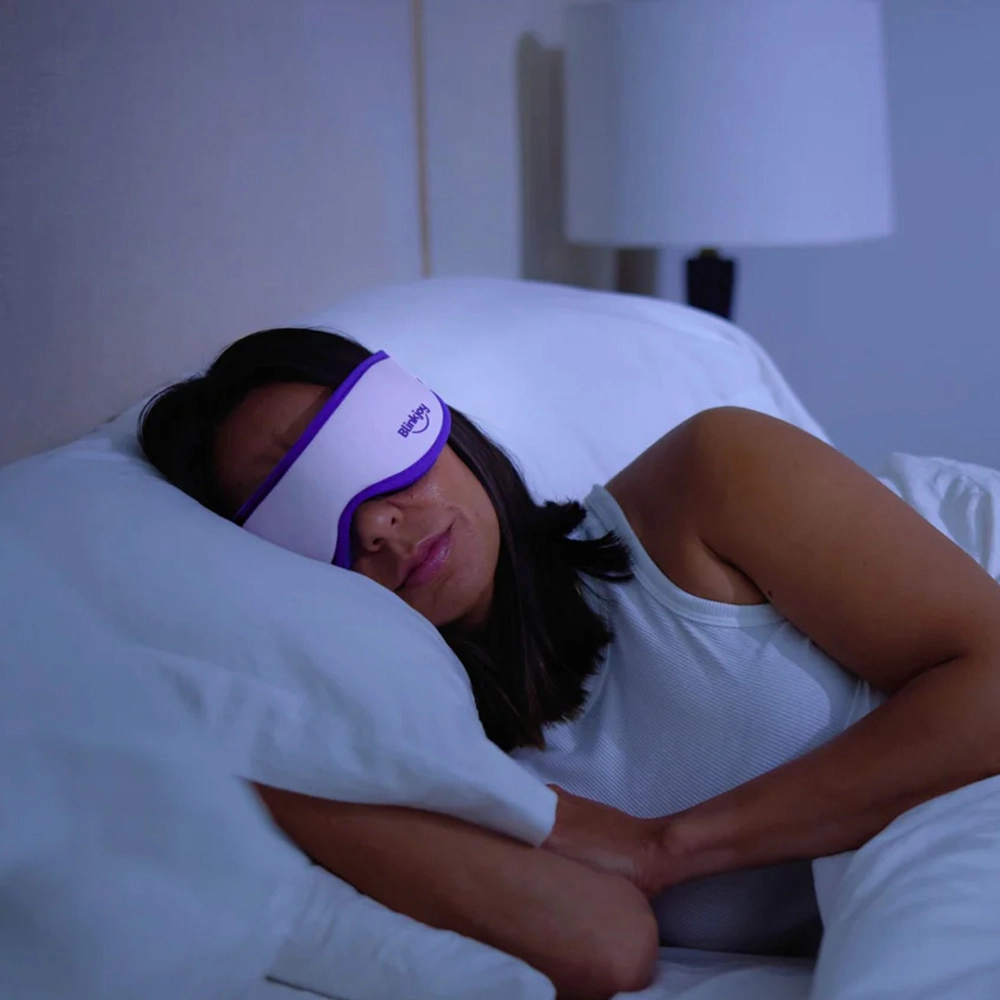
Blinkjoy is a wellness brand — eye masks, calm aesthetics, the kind of thing people want to leave on their nightstand. The design language here is about softness and restraint. Gentle curves, controlled detailing, nothing that feels clinical or harsh.
The practical question with Blinkjoy was how to maintain that feeling as the line grows and formats change. Our answer was to define the principles clearly enough that they could be applied to new products without starting from scratch each time — and to document those principles so that future decisions have something to refer back to.
If you're adding products to an existing line, or planning a launch and already thinking about what comes next, it's worth having a conversation about design language early. Feel free to get in touch.